
Our Latest Articles
FTC's Fake-Review Law Gets Teeth: 10 Warning Letters
FTC's Fake-Review Law Gets Teeth: 10 Warning Letters
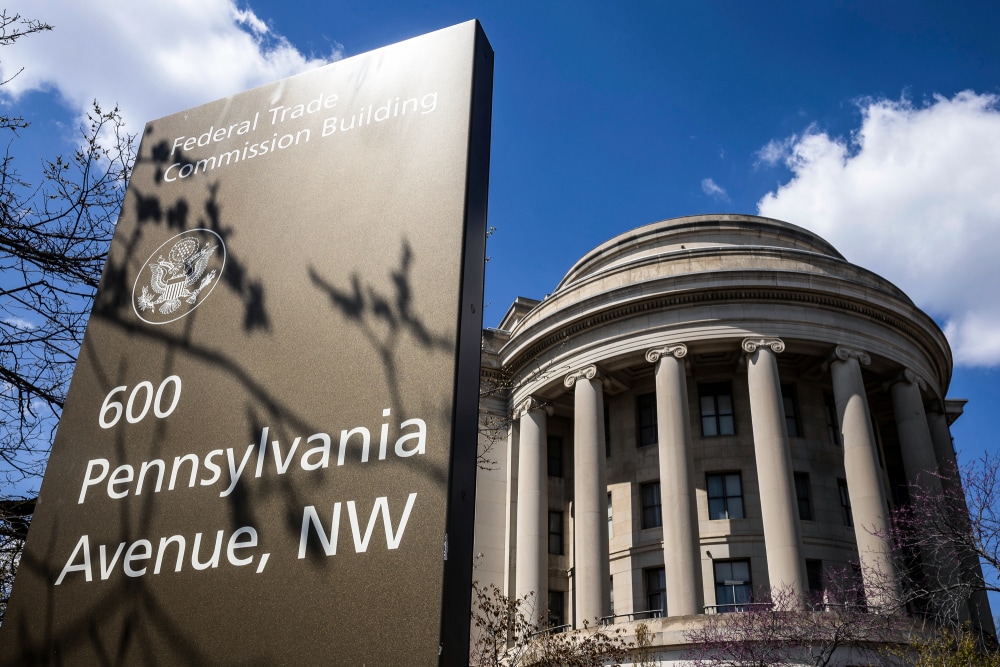
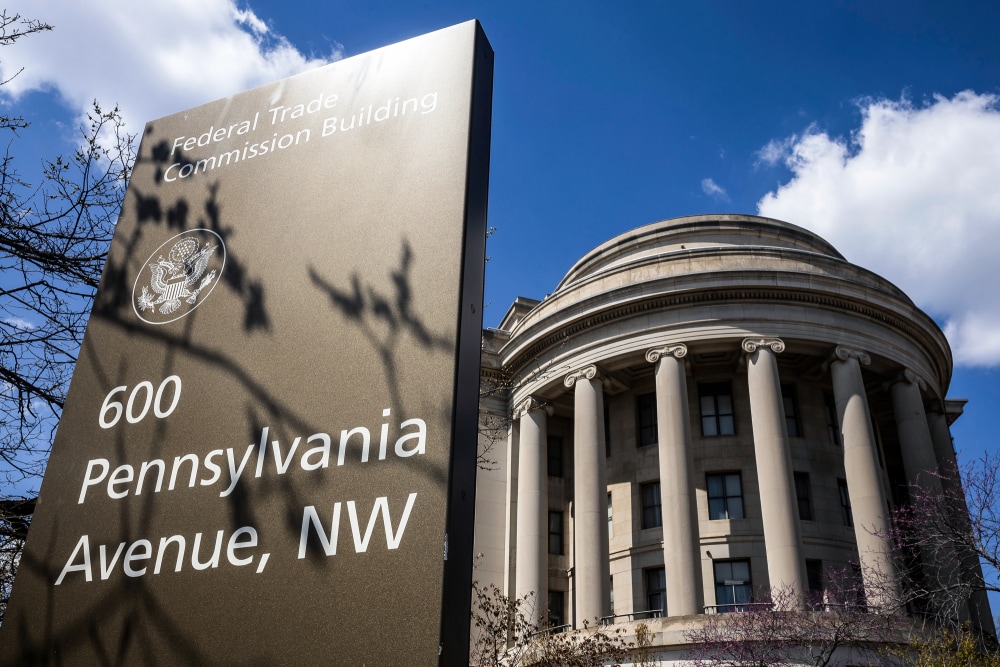
Let's get something straight, right out of the box: FTC fake review rule enforcement is no longer a proposal, a rumor, or a law firm's webinar. On December 22, 2025, Federal Trade Commission staff mailed warning letters to 10 companies — identities undisclosed — flagging potential violations of the Consumer Review Rule, 16 CFR Part 465. It was the FTC's first public enforcement action under the rule (LexBlog, January 2, 2026). The grace period is officially over — and the only question left is whether your review practices would survive a look from the people holding the pen.
Here's why this is good news for honest operators: every fabricated five-star your competitor buys makes your real reviews worth less, and the rule exists to protect the trust reviews run on. But only if you know where the lines are. A cousin's girlfriend leaving reviews. A "review contest" that only pays out for five stars. A front-desk script that filters unhappy customers before they ever see the review link. All three are live ammunition now.
What did the FTC actually do on December 22, 2025?
The FTC sent warning letters to 10 companies whose identities were not publicly disclosed, based on consumer complaints and information the companies themselves provided — and gave each recipient five business days to confirm a remediation plan. The letters are warnings, not findings of violation, but they're the first enforcement move under a rule that took effect October 21, 2024 (LexBlog). The rule sat on the books for over a year while the FTC educated the market. Now it educates by example: warning letters are step one, and the template spells out that federal lawsuits and civil penalties are step two.
What violations were the warning letters targeting?
The FTC's template letter names the usual suspects: compensating employees for obtaining five-star reviews from friends and family, and soliciting reviews from individuals who never actually used the company's products or services. The Mondaq breakdown of the enforcement wave puts it bluntly: five stars, zero tolerance. And the rule's hit list is wider than those two examples. It prohibits fake or misrepresented reviews, reviews that hide insider or family connections to the business, incentives conditioned on a specific sentiment (pay only for the good ones), suppressing negative reviews, and "company-controlled" review websites dressed up as independent (KingSpry business law analysis).

The "employee of the month gets $50 if we hit 4.8 stars" contest. The cousin who reviews every family business on the block. The company review page that mysteriously shows only five-star praise. These aren't gray areas anymore — they're the examples, printed in the template.
How much can one violation cost my business?
Up to $53,088 per violation in civil penalties — the number in the FTC's letter template, and it is not a typo. It's the statutory maximum per violation, and violations multiply per review, per practice, per day. The Benesch law firm's analysis notes the math nobody wants to do: fifty bought reviews isn't one $53,088 problem. It's fifty of them. Do I think the FTC will nuke a plumber whose cousin left three reviews? No — regulators hunt pattern offenders and make examples. But "probably not me" is not a compliance strategy.
Now — do I think the FTC is going to nuke a plumber whose cousin left three reviews? No. Regulators hunt pattern offenders and make examples. But "probably not me" is not a compliance strategy. And here's the reframe that matters: compliance is free. Asking every customer costs nothing. Banning staff reviews costs nothing. Not paying for five stars saves you money. The honest version is the cheap version — the rarest sentence in American regulation.
What does an honest owner need to do this week?
One-afternoon audit. Five yes-or-no questions:
1. Do we ever reward reviews conditioned on them being positive? "Leave a five-star review, get 10% off" is the textbook violation. Rewarding reviews is safer than rewarding five-star reviews — and even then, disclose the incentive. 2. Does anyone on staff, or their family, review the business? Undisclosed insider reviews are banned. Tell the team, in writing, they may not review the company. 3. Do we ask everyone, or only the happy ones? Selective asking poisons the sample — and the survey data in "How Often Should You Ask for Reviews? The Survey Data" shows steady, even asking builds the real review stream anyway. 4. Do we publish the bad ones too? Suppressing negative reviews while showcasing positive ones is a named violation. 5. Is any of this written down? If your review policy lives in your head, it doesn't exist. One page. Done.

What's the one practice I should kill today?
The sentiment-conditioned incentive — anything that pays, discounts, or rewards only for good reviews. Kill it today because it's the single most-named tripwire in the enforcement template, the easiest thing for a competitor or a disgruntled ex-employee to report, and the easiest practice to replace with something better: a steady, honest review-request habit aimed at every customer, every time. The FTC isn't the enemy of your review strategy. The FTC is the enemy of your shortcuts. Build the real asset — a thick, honest, growing wall of real customer reviews — and enforcement waves like this one become someone else's problem while they quietly become your moat.
One last hard truth: the grace period is over — the FTC doesn't send "just checking in" letters. Ten companies got the mail. Your audit is one afternoon. Do it, then get back to earning reviews worth having. — Jack
By the way... do you have a plan for collecting reviews in your business? Don't let it intimidate ya. Go to ReputationGenius for the plan and the tools to make it easy and reliable — for you and your team. Click here.

Travel confidently with our insurance plans, offering coverage for cancellations, medical emergencies, and lost luggage. Your journey, protected every step of the way.
Quick Links
Contact Us
Legal
© StarsAreCool.com. 2026 All Rights Reserved.