
Follow-Up Sequences That Turn Buyers Into Reviewers
Follow-Up Sequences That Turn Buyers Into Reviewers
Here's a number that should make you furious: follow-up sequences — not better service, not happier customers, just asking more than once — are the difference between a dead review profile and a compounding one.
BrightLocal's 2026 survey found that 83% of consumers will write a review when a business asks them to. Eighty-three percent! (Online Review Statistics 2026, via BrightLocal)
So why is your profile sitting at 14 reviews? Because you asked once — maybe — at the counter, while the customer was digging for their keys, and then you never mentioned it again.
One ask is a wish. A sequence is a system.
Why Does One Ask Rarely Produce a Review?
Because your customer isn't ignoring you. She's busy.
At the counter she's thinking about parking and the next errand. Your ask evaporates before she reaches the car. Not from ingratitude — from life.
A single ask converts the small slice of customers who (a) remember, (b) have 90 free seconds right then, and (c) feel like doing admin work for a business they already paid. That's a brutal filter. The sequence exists to catch everyone the filter drops — the 80% who meant to leave a review and simply didn't.
Each additional touch is a second chance for the 80% who meant to leave a review and simply forgot.

What Does a 3-Touch Follow-Up Sequence Look Like?
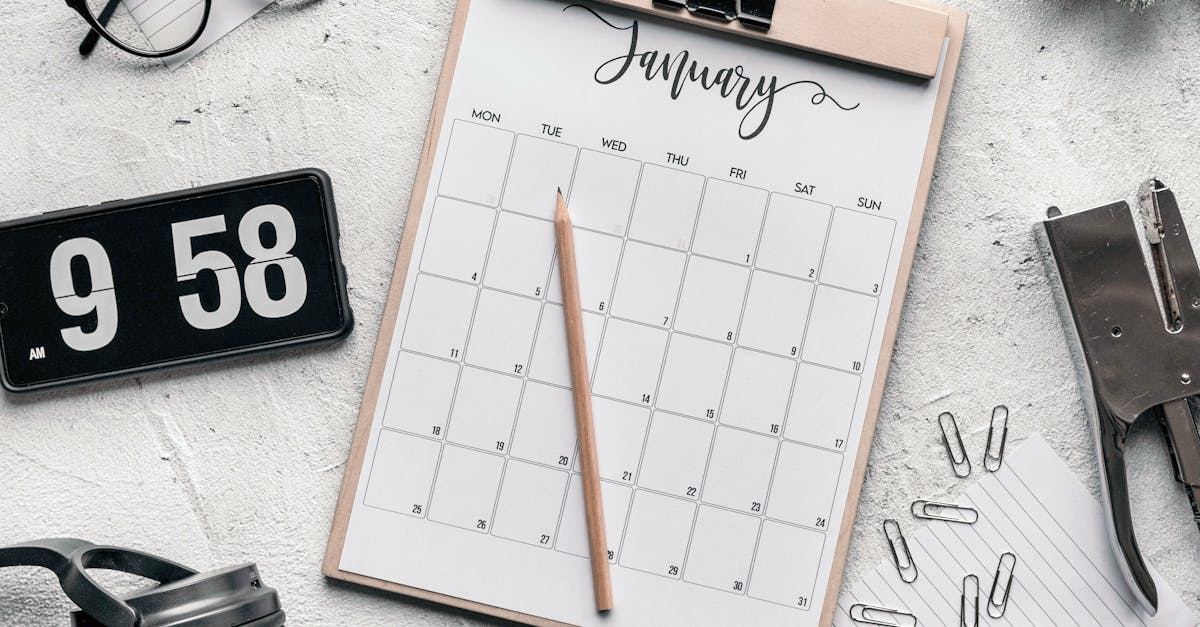
Three touches over seven days: an in-person ask at the moment of warmth, a thank-you text on day two, and a gentle nudge on day seven. Here it is, touch by touch:
Touch 1 — Day 0, at the moment of warmth: the in-person ask. The words come out of a human mouth: "If everything was great today, would you mind leaving us a Google review? It takes 20 seconds — here's the link." Hand them the QR card or tap card. For the exact words, steal from How to Ask for Reviews Without Feeling Like a Beggar.
Touch 2 — Day 1 or 2: the thank-you text with the link. Short, warm, one link: "Thanks for coming in yesterday! If you have 20 seconds, we'd love your feedback here: [link] — Jack & the team." Text gets opened at rates near 98%, most within three minutes of arrival — email sits around 20%. (EtherealMinds review-request channel data) The text catches the customer while the visit is still fresh. The email finds them three days later, buried.
Touch 3 — Day 5 to 7: the gentle nudge. Use the other channel — if you texted, now email. One line: "Quick reminder — your review helps a local business more than you know: [link]." Then STOP. Three touches is a sequence. Four is a pest.
Three touches, seven days, two channels. That's the machine.
Should You Ask by Text, Email, or In Person?
Yes. All three — in the right order, because each does a different job.
In person creates the obligation — 27% of consumers are most likely to leave a review when asked face-to-face. (BrightLocal Local Consumer Review Survey 2025) But nobody reviews at the counter, so the human moment plants a seed the later touches harvest.
Email is the top channel consumers say they'd respond to — 40% in the 2025 survey, up from 32%. It carries the link they can act on later. But "later" is where reviews go to die: email gets opened hours or days later, if at all.
Text is the closer. 98% open rates, read in minutes, arriving on the device where the review gets written. The sequence logic: in person plants the seed, email delivers the formal ask, text harvests it.
If you can only add one thing this month, add the day-two text. Highest-ROI 30 seconds in your marketing.
How Do You Automate the Follow-Up Without Being Spammy?
Follow three rules and you'll never cross the line: sequence only real customers, make every touch easy to ignore, and stop at three touches:
Rule 1: Only sequence real customers. Transaction first, ask second. Purchased lists and cold blasts are spam — and they'll get your number flagged.
Rule 2: Make every touch easy to ignore. One link, no guilt trip. A customer should be able to delete your text in one swipe and feel zero resentment.
Rule 3: Stop at three, and stop forever after a review. The moment a customer reviews you, they leave the sequence — automatically, that day. Nothing kills goodwill faster than asking for a review from someone who already left one.
Set it up once. Every customer enters the same three-touch machine. You never think about it again — and your review count compounds weekly instead of flatlining monthly.
Pair this with the right tools at the counter — NFC Tap Cards vs QR Codes: Which Collects More Reviews? settles the hardware question — and a sane asking cadence from How Often Should You Ask for Reviews? The Survey Data. Ask, follow up, follow up again. That's the whole religion.
Your competitors are still asking once and wondering why nobody reviews them. You now know better. Build the sequence this weekend.
— Jack
By the way... do you have a plan for collecting reviews in your business? Don't let it intimidate ya. Go to ReputationGenius for the plan and the tools to make it easy and reliable — for you and your team. Click here.
P.S. Count last month's reviews. Now count last month's customers. The gap is what your missing sequence costs you.
