
Review Recency: Why Your 2025 Reviews Are Archaeology
Review Recency: Why Your 2025 Reviews Are Archaeology
Let's clear this up: review recency now decides who gets the click — not your star rating, not your total count.
Your 300 five-star reviews from 2025? To a customer reading your profile today, they're archaeology. Not exactly trustworthy evidence that you're still good right now.
BrightLocal's Local Consumer Review Survey 2026 — 1,002 US adults, polled in February — found that 74% of consumers specifically look for reviews written in the last three months. Nearly a third, 32%, want reviews from the last two weeks. And 18% are only swayed by reviews written within the last week. (BrightLocal Local Consumer Review Survey 2026)
This is the Recency Rule. The old strategy — pile up reviews, coast, repeat every few years — is now a slow leak.
Why Do My Old Reviews Stop Working?
Because customers are rationally suspicious, that's why — and they're right to be.
Businesses change. Staff turns over. The genius mechanic retires, the franchise gets sold, the menu changes. Your prospect knows this.
Your prospect knows this. When she reads a glowing review from 2025, the voice in her head says: "Yeah, but is it still like that?"
Old reviews answer a question she stopped asking. She wants to know what buying from you is like this month. A business with 400 reviews whose newest one is fourteen months old reads as a business that used to be good. The star rating is intact. The credibility is gone. Reviews depreciate like inventory, not appreciate like real estate.

How Recent Do Reviews Need to Be?
Three months is the new minimum, two weeks is where the money is, and seven days is the elite tier:
Rule 1: The 3-month window is the new minimum. 74% of buyers want reviews from the last three months. If your newest review is older than that, you are invisible to three-quarters of the market — no matter what your rating says.
Rule 2: The 2-week window is where the money is. 32% want reviews from the last two weeks — up from 20% a year earlier. The bar is rising fast. That's the sharpest-moving number in the entire 2026 survey, and it's the one the 95% of owners who "did reviews once, in 2023" are going to get killed by.
Rule 3: The 7-day window is the elite tier. 18% are only swayed by reviews from the past week. These are your highest-intent buyers — the ones choosing today. A review posted yesterday is worth more to them than your 400-review lifetime archive.
Notice what this means: velocity beats volume. A competitor with 40 reviews and three posted last week looks alive. You, with 300 and nothing since spring, look retired. The sharpest-moving number in the entire 2026 survey is the one the owners who "did reviews once, in 2023" are going to get killed by.
How Do I Get Fresh Reviews Every Week?
You build a system. Not a campaign — a system. Systems over people. Campaigns spike and die; systems compound.
Here's the Weekly Freshness Formula:
1. Ask every customer, every time. Not the happy-looking ones. Everyone. 83% of consumers will write a review when a business asks them to (BrightLocal 2026). The bottleneck was never willingness. It was you, not asking.
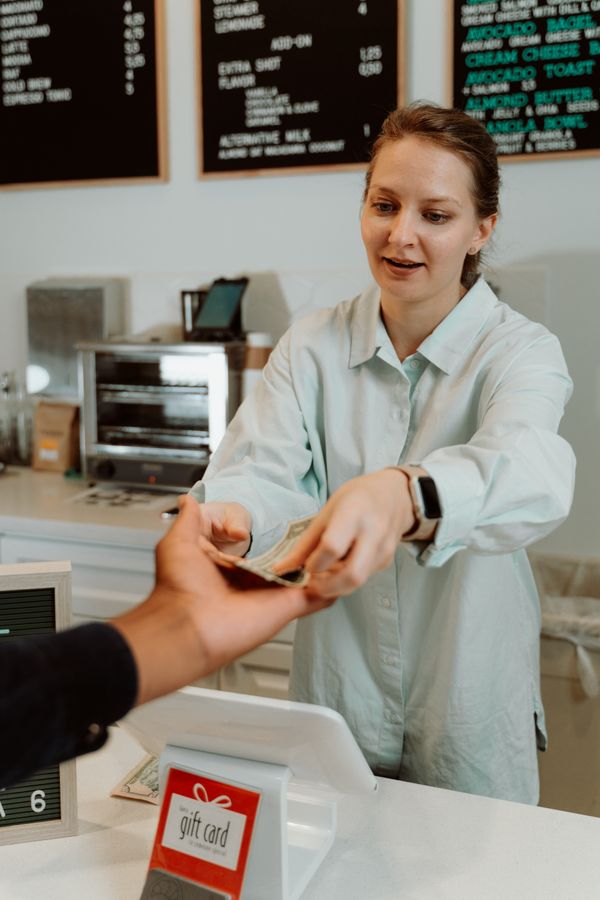
2. Ask at the moment of maximum warmth. The 30 seconds after the payment clears, the handshake, the "wow." Not three days later in a cold email. Strike while the experience is molten.
3. Make it take 20 seconds. A QR code, a tap card, a direct link in a text. Every extra click is a review you paid for and didn't collect.
4. Track it like cash. One new review per week minimum. Fewer than four a month and you're sliding backward — the 3-month window eats your tail faster than you think.
If you want the full playbook on cadence, read How Often Should You Ask for Reviews? The Survey Data — it turns this formula into a calendar.
Does Google Itself Reward Review Recency?
Yes — and this is where the consumer data meets the algorithm. Review recency and sustained review velocity both sit in the top tier of local ranking signals, and businesses that run quarterly review bursts "jump up to the top of the rankings" then taper until the next burst. (TechBullion analysis of BrightLocal 2026 data)
Translation: the spike-and-coast pattern the gurus sold you for years actively punishes you. Steady monthly flow compounds. And The Review Signal That Keeps Climbing in Google's Rankings shows AI search tools now read your reviews as the primary source of truth — the AI doesn't care about your 2025 glory days either.
So here's the harsh reality, Professor-style: your review profile is not an asset you built. It's a garden you maintain. Stop watering it, and three months later it looks abandoned to 74% of your market.
Good news? The bar is comically low. One review a week puts you ahead of nearly every competitor in your zip code. They all did the campaign. None of them built the system.
Start this week. Ask at the counter. Make it 20 seconds. Never stop.
— Jack
By the way... do you have a plan for collecting reviews in your business? Don't let it intimidate ya. Go to ReputationGenius for the plan and the tools to make it easy and reliable — for you and your team. Click here.
P.S. Pull up your Google profile and check your newest review's date. Older than 90 days? You're already losing the 74%.
