
Yelp Is Suing Google. Local Owners Should Pay Attention
Yelp Is Suing Google. Local Owners Should Pay Attention

On August 28, 2024, Yelp filed an antitrust lawsuit against Google in federal court in San Francisco — the yelp google antitrust lawsuit alleges Google abuses its search monopoly to shove its own local results in front of customers and starve rivals like Yelp of traffic (MarTech). On April 22, 2025, the court largely denied Google's motion to dismiss, and the case moves forward (MediaPost, April 23, 2025). Here's why a local owner should care about a courtroom knife fight between two billion-dollar companies: your reviews are the battlefield. It's a war over who gets to show the customer your reputation.
Think about it from the customer's chair. Someone searches "emergency plumber near me." What do they see? A Google map pack, Google star ratings, Google reviews. Yelp — which practically invented the local-review category — is somewhere down the page. Yelp's allegation is that this isn't an accident: it's Google using its search dominance to preference its own local product over rivals (LawCommentary). Whether it holds up in court is the judge's problem. The fact pattern it describes? You live inside it every day. Your Google reviews carry the weight they do because Google owns the room where the reviews are read.
Why is Yelp suing Google?
Yelp alleges Google illegally ties its general search monopoly to its local search product — self-preferencing its own listings and reviews while burying competitors, diverting traffic and revenue away from rival local search providers. The complaint, filed August 28, 2024 in the Northern District of California, claims this harms consumers, stifles innovation, and locks competitors out of local search and local search advertising (MakeTechEasier). In plain English: Yelp says Google is the referee, the stadium owner, and the home team.
And the fight is over zero-click searches — searches where the customer never leaves Google's results page. Every time a customer reads your reviews, calls your number, or checks your hours without clicking through to anyone's website, that's the battlefield. Google's local surfaces are the territory. Yelp wants a ruling that says the territory was taken unfairly.
Why did the judge let the case move forward?
Because Yelp's allegations cleared the bar that matters at this stage: plausibility. On April 22, 2025, the court largely denied Google's motion to dismiss, finding Yelp had plausibly alleged both Google's monopoly power and exclusionary conduct within the statute of limitations — meaning the case had enough legal substance to proceed to discovery and, eventually, trial (MediaPost). "Largely denied" is the key phrase: this wasn't a technicality. The judge looked at the core of Yelp's case and said there's something here worth examining.
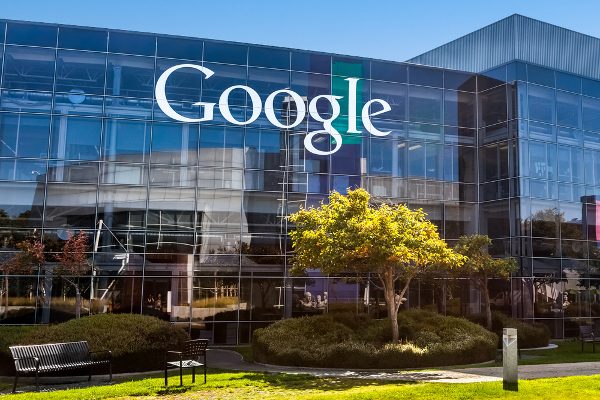
Here's the uncomfortable part: Google doesn't need to lose this lawsuit for your life to change. Lawsuits like this are multi-year wars of attrition — and while they grind on, both companies keep filtering reviews and tweaking what customers see. The courtroom decides the law. The product teams decide your Tuesday. So the smart move is never "wait and see." Read the tea leaves and position accordingly.
What does this have to do with my business?
Everything, because it explains the single most important fact about your online reputation: Google reviews matter more than Yelp reviews not because they're better, but because Google controls the shelf they're displayed on. When Yelp's CEO says Google is the "gatekeeper" of the internet, he's describing your customer acquisition funnel. Your star rating shows up in the map pack because Google put it there. Your competitor's 200 Yelp reviews sit one scroll away, functionally invisible, because Google's layout says so. Two giants are fighting over the map — and your business is the territory.
This is also why "should I care about Yelp?" has a more interesting answer than most owners give it. Most treat Yelp like a bad ex: blocked, ignored, vaguely resented. But think like a strategist. Yelp still ranks, still gets traffic, still shows up for high-intent searches — and "Online Review Statistics 2026: What 1,002 Consumers Said" shows consumers check multiple sources before they decide. A lawsuit this loud means Yelp is fighting for relevance with everything it has — exactly when a platform gets more aggressive about visibility, not less. Ignoring a platform that's suing to get bigger is a strange bet.
What should a local owner actually do about this?
Three things, none requiring a law degree. First: run a two-platform review strategy, not a one-platform habit. Google is where the volume lives — that's your primary. But claim and complete your Yelp profile too, because the platform isn't going anywhere and its lawsuit is a bid to get more visible, not less. Second: respond to reviews on both platforms, especially the bad ones — the "Viral 1-Star Reviews: The Owner's Response Playbook" exists because one mishandled one-star can outrank everything else about you. Third: watch what the case does to the search page. If the court forces Google to change how local results display, owners with reviews on multiple platforms win instantly. Diversification isn't paranoia — it's the cheapest insurance in local marketing.

Final thought, and make it stick: you don't get a vote in this lawsuit, but you get the outcome. Every day it runs, the lesson gets clearer — the platforms need your reviews more than you need any single platform. So build the asset where the customers are (Google), hedge it where the lawyers are circling (Yelp), and never let one company's courtroom become your single point of failure. The giants can fight. Your job is to be worth fighting over. — Jack
By the way... do you have a plan for collecting reviews in your business? Don't let it intimidate ya. Go to ReputationGenius for the plan and the tools to make it easy and reliable — for you and your team. Click here.
